2025. 1. 31. 20:07ㆍTech
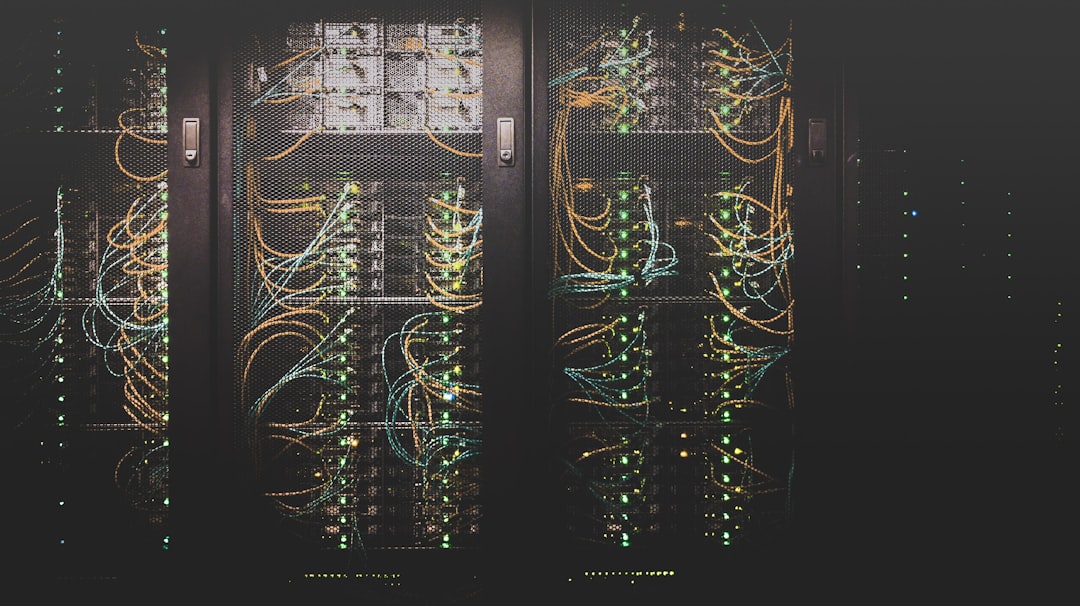
As we approach the year 2025, the digital landscape continues to evolve at an unprecedented pace, bringing with it a myriad of opportunities and challenges. The proliferation of connected devices, the expansion of the Internet of Things (IoT), and the increasing reliance on cloud computing have transformed how individuals and organizations operate. However, this digital transformation has also created a fertile ground for cyber threats, making cybersecurity a paramount concern for businesses, governments, and individuals alike.
In this context, understanding the complexities of cybersecurity is essential for safeguarding sensitive information and maintaining trust in digital systems.
The urgency of addressing cybersecurity issues cannot be overstated.
With cyberattacks becoming more sophisticated and frequent, organizations must adopt a proactive approach to protect their assets.
The stakes are high; breaches can lead to significant financial losses, reputational damage, and legal repercussions. As we look toward 2025, it is crucial to recognize that cybersecurity is not merely a technical issue but a strategic imperative that requires comprehensive planning, investment, and collaboration across all levels of an organization. This article will explore various aspects of cybersecurity, including emerging threats, best practices for protection, and the role of advanced technologies in enhancing security measures.
Key Takeaways
- Cybersecurity is crucial in the digital landscape of 2025 to protect against emerging threats and risks.
- Understanding the evolving threat landscape is essential for implementing strong authentication and access controls.
- Encrypting data at rest and in transit is a critical measure to safeguard sensitive information from unauthorized access.
- Securing cloud and mobile devices is imperative to prevent data breaches and unauthorized access to corporate networks.
- Building a robust incident response plan and educating employees on cybersecurity best practices are essential for mitigating cyber threats.
Understanding the Threat Landscape: Emerging Cybersecurity Risks
Ransomware Attacks: A Growing Concern
High-profile incidents, such as the Colonial Pipeline attack in 2021, have underscored the potential for widespread disruption and chaos that ransomware can cause. Organizations must remain vigilant and adopt robust defenses to mitigate the risk of falling victim to such attacks.
Emerging Threats: Supply Chain Attacks and Phishing Schemes
In addition to ransomware, other emerging threats include supply chain attacks and phishing schemes. Supply chain attacks exploit vulnerabilities in third-party vendors or service providers to gain access to larger networks. The SolarWinds incident is a prime example, where attackers compromised software updates to infiltrate numerous organizations, including government agencies. Phishing remains a prevalent tactic used by cybercriminals to deceive individuals into revealing sensitive information or downloading malicious software.
Staying Ahead of Evolving Threats
As these threats continue to evolve, organizations must stay informed about the latest trends and adapt their security strategies accordingly.
Implementing Strong Authentication and Access Controls

One of the foundational elements of a robust cybersecurity strategy is the implementation of strong authentication and access controls. Traditional username and password combinations are no longer sufficient to protect sensitive information from unauthorized access. Multi-factor authentication (MFA) has emerged as a critical layer of security that requires users to provide multiple forms of verification before gaining access to systems or data.
This could include something they know (a password), something they have (a smartphone app or hardware token), or something they are (biometric data). By requiring multiple factors for authentication, organizations can significantly reduce the risk of unauthorized access. Access controls also play a vital role in ensuring that individuals have appropriate permissions based on their roles within an organization.
Role-based access control (RBAC) allows organizations to assign permissions based on job functions, ensuring that employees only have access to the information necessary for their work. This principle of least privilege minimizes the potential damage that can occur if an account is compromised. Additionally, organizations should regularly review and update access permissions to reflect changes in personnel or job responsibilities, further enhancing their security posture.
Encrypting Data at Rest and in Transit
Metrics Data at Rest Data in Transit
| Encryption Method | AES-256 | TLS 1.2/1.3 |
| Key Management | Key rotation every 90 days | Perfect Forward Secrecy |
| Performance Impact | Minimal impact on read/write operations | Negligible impact on network latency |
| Compliance | PCI DSS, HIPAA, GDPR | ISO 27001, SOC 2 |
Data encryption is a critical component of any cybersecurity strategy, serving as a safeguard against unauthorized access and data breaches. Encrypting data at rest—data stored on servers or devices—ensures that even if an attacker gains physical access to storage media, they cannot easily read or exploit the information contained within. Various encryption standards exist, such as Advanced Encryption Standard (AES), which provides strong protection for sensitive data.
Organizations must implement encryption protocols for all sensitive information stored on their systems, including customer data, financial records, and intellectual property.
Equally important is encrypting data in transit—information being transmitted over networks. Without encryption, data sent over the internet can be intercepted by malicious actors through techniques such as man-in-the-middle attacks.
Secure Sockets Layer (SSL) and Transport Layer Security (TLS) protocols are widely used to encrypt data during transmission, ensuring that sensitive information remains confidential while traversing potentially insecure networks. By adopting comprehensive encryption practices for both data at rest and in transit, organizations can significantly enhance their overall security posture and protect against data breaches.
Securing Cloud and Mobile Devices
As organizations increasingly migrate their operations to the cloud and adopt mobile technologies, securing these environments has become paramount. Cloud computing offers numerous benefits, including scalability and flexibility; however, it also introduces unique security challenges. Organizations must ensure that their cloud service providers adhere to stringent security standards and compliance requirements.
Implementing strong identity and access management (IAM) practices is essential for controlling who can access cloud resources and ensuring that only authorized users can perform specific actions. Mobile devices present another layer of complexity in cybersecurity. With employees frequently using smartphones and tablets for work-related tasks, organizations must implement mobile device management (MDM) solutions to enforce security policies across all devices.
This includes enforcing encryption, remote wipe capabilities in case of loss or theft, and application whitelisting to prevent unauthorized software installations. Additionally, organizations should educate employees about safe mobile practices, such as avoiding public Wi-Fi networks for sensitive transactions and regularly updating device software to patch vulnerabilities.
Building a Robust Incident Response Plan

Despite best efforts to prevent cyber incidents, organizations must prepare for the possibility of a breach or attack by developing a robust incident response plan (IRP). An effective IRP outlines the steps an organization will take in response to a cybersecurity incident, ensuring a coordinated and efficient approach to containment and recovery. Key components of an IRP include identification of critical assets, roles and responsibilities of team members, communication protocols, and procedures for documenting incidents.
Regularly testing and updating the incident response plan is crucial for maintaining its effectiveness. Conducting tabletop exercises allows organizations to simulate various scenarios and evaluate their response capabilities in real-time. These exercises help identify gaps in the plan and provide opportunities for improvement.
Additionally, organizations should establish relationships with external partners—such as law enforcement agencies or cybersecurity firms—to facilitate collaboration during incidents. A well-prepared incident response plan not only minimizes damage during an attack but also helps organizations recover more quickly and effectively.
Educating Employees on Cybersecurity Best Practices
Human error remains one of the leading causes of cybersecurity breaches; therefore, educating employees on best practices is essential for fostering a culture of security within an organization. Training programs should cover topics such as recognizing phishing attempts, creating strong passwords, and understanding the importance of data protection. Regular training sessions can help reinforce these concepts and keep employees informed about emerging threats.
Moreover, organizations should encourage open communication regarding cybersecurity concerns. Employees should feel empowered to report suspicious activities without fear of repercussions. Establishing clear reporting channels can facilitate timely responses to potential threats before they escalate into significant incidents.
By prioritizing employee education and engagement in cybersecurity efforts, organizations can create a more resilient workforce capable of identifying and mitigating risks.
Investing in Advanced Security Technologies: AI and Machine Learning
As cyber threats become increasingly sophisticated, traditional security measures may no longer suffice. Organizations are turning to advanced technologies such as artificial intelligence (AI) and machine learning (ML) to enhance their cybersecurity defenses. These technologies can analyze vast amounts of data in real-time, identifying patterns indicative of potential threats or anomalies within network traffic.
AI-driven security solutions can automate threat detection and response processes, allowing organizations to respond more quickly to incidents while reducing the burden on security teams. For instance, machine learning algorithms can continuously learn from historical data to improve their ability to identify new threats as they emerge. Additionally, AI can assist in predicting potential vulnerabilities based on trends observed across various industries.
Investing in these advanced technologies not only strengthens an organization’s security posture but also enables more efficient resource allocation within security teams. By automating routine tasks such as log analysis or vulnerability scanning, security professionals can focus on higher-level strategic initiatives that require human expertise. As we move toward 2025 and beyond, embracing AI and machine learning will be crucial for staying ahead of evolving cyber threats while ensuring robust protection for sensitive information.
FAQs
What is cybersecurity?
Cybersecurity refers to the practice of protecting systems, networks, and data from digital attacks. It involves implementing measures to prevent unauthorized access, data breaches, and other cyber threats.
Why is cybersecurity important in 2025?
In 2025, the world is becoming increasingly digital, with more data being stored and transmitted online. This makes cybersecurity crucial as the risk of cyber attacks and data breaches continues to rise.
What are the common cyber threats in 2025?
Common cyber threats in 2025 include malware, phishing attacks, ransomware, DDoS attacks, and insider threats. These threats can result in data theft, financial loss, and damage to an organization's reputation.
How can individuals protect their data in an increasingly digital world?
Individuals can protect their data by using strong, unique passwords, enabling two-factor authentication, keeping software and systems updated, being cautious of phishing attempts, and using reputable antivirus and security software.
What are some cybersecurity trends expected in 2025?
Some cybersecurity trends expected in 2025 include the increased use of artificial intelligence and machine learning for threat detection, the rise of quantum-safe cryptography, and the continued emphasis on data privacy and compliance regulations.