2025. 1. 31. 20:25ㆍTech

Cloud gaming has emerged as a transformative force in the gaming industry, reshaping how players access and experience video games. This paradigm shift began to gain traction in the late 2010s, driven by advancements in internet infrastructure and the increasing demand for on-demand entertainment. Unlike traditional gaming, which requires powerful hardware and physical media, cloud gaming allows users to stream games directly from remote servers.
This means that players can enjoy high-quality gaming experiences on a variety of devices, including smartphones, tablets, and low-spec PCs, without the need for expensive consoles or gaming rigs. The rise of cloud gaming can be attributed to several key factors. First, the proliferation of high-speed internet connections has made it feasible for gamers to stream content with minimal latency.
As broadband access expanded globally, more players found themselves able to engage with cloud gaming services. Additionally, the growing popularity of subscription-based models has made gaming more accessible. Services like Xbox Game Pass and PlayStation Now have introduced players to a vast library of games for a fixed monthly fee, eliminating the need for individual purchases and allowing gamers to explore new titles without financial risk.
This shift not only democratizes access to gaming but also encourages experimentation with genres and styles that players might not have considered otherwise.
Key Takeaways
- Cloud gaming has seen a significant rise in popularity due to its convenience and accessibility.
- Technological advancements in cloud gaming have led to improved graphics, reduced latency, and enhanced gaming experiences.
- The introduction of 5G technology has had a major impact on cloud gaming, providing faster and more reliable connections for players.
- Virtual reality has played a significant role in enhancing the immersive experience of cloud gaming, offering a new level of interaction and engagement.
- The integration of artificial intelligence in cloud gaming has led to personalized gaming experiences and improved game performance.
Technological Advancements in Cloud Gaming
The technological landscape surrounding cloud gaming has evolved rapidly, with significant advancements enhancing the overall user experience. One of the most critical developments is the improvement in server technology. Data centers equipped with powerful GPUs and optimized for low-latency streaming have become essential for delivering high-quality graphics and smooth gameplay.
Companies like NVIDIA and Google have invested heavily in building robust infrastructures that can handle the demands of cloud gaming, ensuring that players receive a seamless experience regardless of their location. Moreover, advancements in compression algorithms have played a pivotal role in cloud gaming's success. These algorithms allow for the efficient transmission of high-resolution video streams over the internet, reducing bandwidth requirements while maintaining visual fidelity.
Technologies such as H.
265 (HEVC) and VP9 have enabled cloud gaming services to deliver 4K resolution at lower bitrates, making it possible for players with varying internet speeds to enjoy high-quality graphics without significant lag.
Additionally, the development of edge computing has further enhanced performance by processing data closer to the user, minimizing latency and improving responsiveness during gameplay.
The Impact of 5G on Cloud Gaming

The rollout of 5G technology has been a game-changer for cloud gaming, offering unprecedented speeds and reduced latency that significantly enhance the streaming experience. With 5G networks capable of delivering download speeds exceeding 1 Gbps and latency as low as 1 millisecond, players can enjoy near-instantaneous responses during gameplay. This level of performance is crucial for fast-paced games that require quick reflexes and precise timing, such as first-person shooters and competitive multiplayer titles.
Furthermore, 5G's ability to support a higher density of connected devices means that more players can engage in cloud gaming simultaneously without experiencing degradation in service quality. This is particularly important in urban areas where network congestion can be an issue with older technologies. As 5G continues to expand its reach, it is expected to unlock new possibilities for mobile gaming, allowing players to enjoy console-quality experiences on their smartphones while on the go.
The combination of 5G and cloud gaming could lead to a surge in mobile esports, as players can compete in real-time from virtually anywhere.
The Role of Virtual Reality in Cloud Gaming
Metrics Data
| Market Size of Cloud Gaming | 2.7 billion in 2020, projected to reach 7.24 billion by 2027 |
| Virtual Reality (VR) Users | Estimated 171 million users by 2018 |
| VR in Cloud Gaming Adoption | Expected to grow at a CAGR of 30.2% from 2020 to 2027 |
| VR Headset Sales | 5.7 million units sold in 2020 |
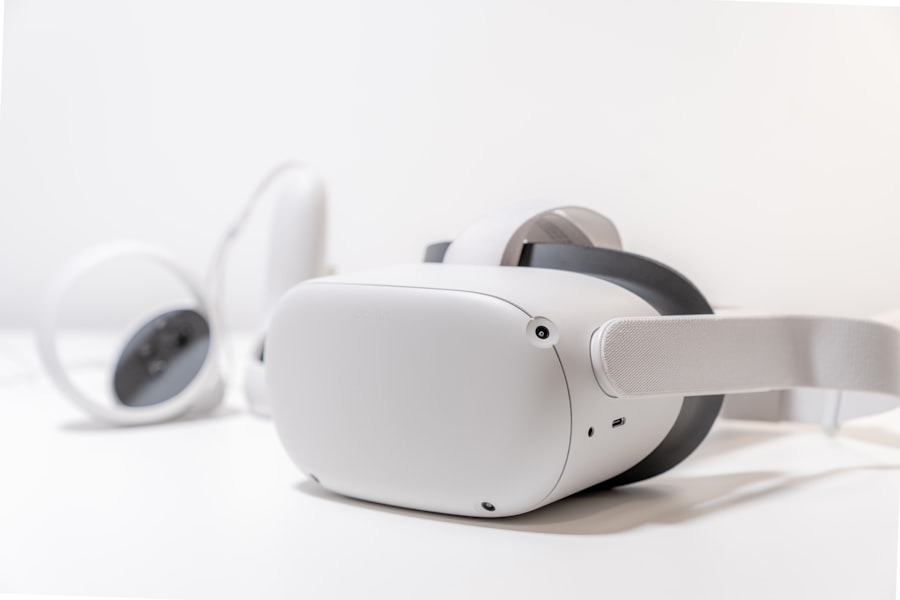
Virtual reality (VR) has emerged as an exciting frontier within the realm of cloud gaming, offering immersive experiences that transport players into fantastical worlds. The integration of VR technology into cloud gaming platforms allows users to access high-quality VR titles without the need for expensive hardware setups. By leveraging cloud computing power, developers can create visually stunning environments that would otherwise be limited by local hardware constraints.
One notable example is the collaboration between cloud gaming services and VR platforms to deliver seamless experiences. Services like Shadow and NVIDIA GeForce NOW have begun to support VR titles, enabling users to stream games like "Beat Saber" or "Half-Life: Alyx" directly to their VR headsets. This not only broadens the accessibility of VR content but also allows developers to reach a larger audience without requiring users to invest heavily in dedicated VR systems.
As technology continues to advance, we can expect even more innovative applications of VR within cloud gaming, further blurring the lines between reality and virtual experiences.
The Integration of Artificial Intelligence in Cloud Gaming
Artificial intelligence (AI) is playing an increasingly vital role in shaping the future of cloud gaming. From enhancing player experiences through personalized recommendations to optimizing server performance, AI technologies are being integrated into various aspects of cloud gaming platforms. One significant application is in the realm of matchmaking algorithms, where AI can analyze player behavior and skill levels to create balanced matches in multiplayer games.
This not only improves player satisfaction but also fosters a more competitive environment. Additionally, AI-driven analytics are being utilized to monitor player engagement and identify trends within gaming communities. By analyzing vast amounts of data, developers can gain insights into player preferences and behaviors, allowing them to tailor content updates and marketing strategies accordingly.
Furthermore, AI can enhance game development itself by automating certain processes, such as procedural content generation or character behavior modeling. This not only accelerates development timelines but also enables developers to create richer and more dynamic gaming experiences.
The Future of Cloud Gaming Platforms
As cloud gaming continues to evolve, the future holds exciting possibilities for both players and developers alike. One potential direction is the emergence of hybrid models that combine traditional console gaming with cloud-based services. Companies like Microsoft are already exploring this avenue with their Xbox Cloud Gaming service, which allows players to stream games from their consoles while also accessing a library of titles via the cloud.
This hybrid approach could provide gamers with greater flexibility in how they choose to play. Moreover, we may see an increase in cross-platform play facilitated by cloud gaming technologies. As more platforms adopt cloud-based solutions, players will likely be able to engage with friends across different devices without being restricted by hardware limitations.
This could lead to a more unified gaming community where players can connect regardless of their chosen platform. Additionally, as competition among cloud gaming providers intensifies, we can expect innovations in pricing models and subscription services that cater to diverse player preferences.
The Potential Challenges of Cloud Gaming
Despite its many advantages, cloud gaming faces several challenges that could hinder its widespread adoption. One significant concern is the reliance on stable internet connections. While advancements in technology have improved streaming capabilities, players in rural or underserved areas may still struggle with slow or unreliable internet access.
This digital divide could limit the reach of cloud gaming services and create disparities in access among different demographics. Another challenge lies in data privacy and security concerns associated with cloud-based platforms. As gamers increasingly store personal information and game data on remote servers, they become vulnerable to potential breaches or unauthorized access.
Ensuring robust security measures and transparent data handling practices will be crucial for building trust among users. Additionally, as cloud gaming becomes more mainstream, regulatory considerations regarding data protection and intellectual property rights will need to be addressed.
The Evolution of Gaming Content in the Cloud
The evolution of gaming content within cloud platforms reflects broader trends in entertainment consumption. As players increasingly seek diverse experiences, cloud gaming services are adapting by offering a wide range of genres and styles. From indie titles to AAA blockbusters, these platforms are curating extensive libraries that cater to various tastes and preferences.
This shift not only benefits gamers but also provides developers with new opportunities to reach audiences that may have previously overlooked their creations. Moreover, the rise of user-generated content is reshaping how games are developed and consumed within cloud environments. Platforms like Roblox and Fortnite have demonstrated the potential for players to create their own experiences and share them with others.
This trend is likely to continue as cloud gaming services embrace community-driven content creation tools that empower users to design their own games or modify existing ones. As a result, we may witness an explosion of creativity within the cloud gaming space, leading to innovative gameplay experiences that challenge traditional notions of game design. In summary, the rise of cloud gaming represents a significant shift in how players engage with video games, driven by technological advancements and changing consumer preferences.
As this landscape continues to evolve, it will undoubtedly shape the future of the gaming industry in profound ways.
FAQs
What is cloud gaming?
Cloud gaming is a type of online gaming that allows players to stream games from remote servers directly to their devices, eliminating the need for high-end hardware and physical game installations.
How does cloud gaming work?
Cloud gaming works by running games on powerful remote servers and streaming the gameplay to the player's device over the internet. This allows players to access and play high-quality games on a variety of devices, including smartphones, tablets, and low-end computers.
What are the benefits of cloud gaming?
Some benefits of cloud gaming include the ability to play high-quality games on low-end devices, no need for physical game installations or updates, and the convenience of accessing games from anywhere with an internet connection.
What are the challenges of cloud gaming?
Challenges of cloud gaming include potential latency issues, reliance on a stable internet connection, and concerns about data privacy and security.
What is the future of cloud gaming?
The future of cloud gaming is expected to include advancements in streaming technology, improved game libraries, and increased integration with other gaming platforms. Additionally, cloud gaming is likely to become more accessible and affordable for a wider range of players.