2025. 2. 10. 21:59ㆍLifestyle

The term "digital nomad" refers to individuals who leverage technology to work remotely while traveling or living in various locations around the world. This lifestyle allows them to break free from the traditional office environment, enabling them to explore new cultures, meet diverse people, and experience life in different settings. Digital nomads typically engage in professions that can be performed online, such as software development, graphic design, content writing, marketing, and consulting.
The rise of the internet and advancements in communication technologies have made it increasingly feasible for people to work from virtually anywhere, leading to the emergence of this unique lifestyle. Digital nomadism is not merely about working while traveling; it embodies a philosophy of life that prioritizes flexibility, adventure, and personal growth. Many digital nomads choose to live in co-working spaces or hostels that cater to their needs, fostering a sense of community among like-minded individuals.
This lifestyle often involves a blend of work and leisure, where individuals can explore new destinations during their free time while maintaining their professional responsibilities. The allure of becoming a digital nomad lies in the ability to design one's own schedule, choose one's work environment, and immerse oneself in different cultures without being tethered to a single location.
Key Takeaways
- A digital nomad is someone who uses technology to work remotely and live a location-independent lifestyle.
- The benefits of being a digital nomad include flexibility, freedom, and the opportunity to explore new places and cultures.
- To transition to a digital nomad lifestyle, it's important to assess your skills, create a remote work plan, and establish a reliable source of income.
- Essential tools for digital nomads include a reliable laptop, high-speed internet, project management software, and online communication tools.
- Overcoming challenges as a digital nomad requires adaptability, time management, and the ability to stay connected with loved ones while on the move.
The Benefits of Being a Digital Nomad
One of the most significant advantages of being a digital nomad is the unparalleled freedom it offers. Unlike traditional jobs that require employees to adhere to strict schedules and office hours, digital nomads can create their own routines. This flexibility allows them to work during their most productive hours, whether that means early mornings or late nights.
Additionally, the ability to choose where to live and work can lead to a more fulfilling lifestyle, as individuals can select locations that resonate with their personal interests and values. Another benefit is the opportunity for cultural immersion. Digital nomads often find themselves in vibrant cities or serene landscapes that provide rich experiences beyond the confines of an office.
This exposure to different cultures can enhance creativity and broaden perspectives, which can be particularly beneficial for those in creative fields. Furthermore, living in various countries can lead to the development of new skills, such as learning a new language or understanding different business practices, which can enhance both personal and professional growth.
How to Transition to a Digital Nomad Lifestyle
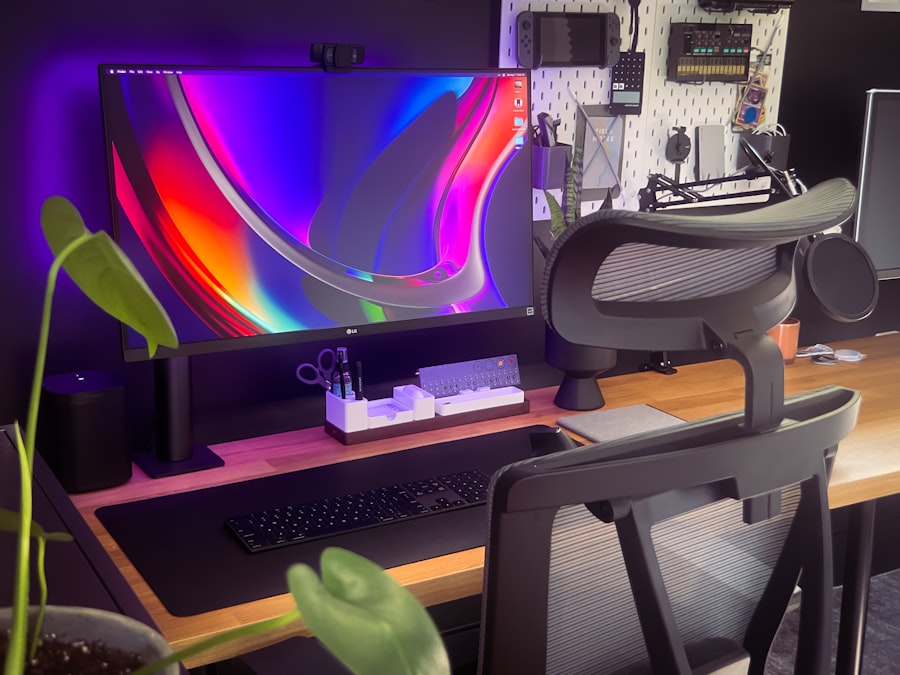
Transitioning to a digital nomad lifestyle requires careful planning and consideration. The first step is often assessing one’s current job situation and determining whether it can be adapted for remote work. For those in traditional roles, this may involve discussing flexible work arrangements with employers or seeking out freelance opportunities that allow for location independence.
Building a portfolio of skills that are in demand in the remote job market is also crucial; this could involve taking online courses or gaining experience through side projects. Financial preparation is another critical aspect of making the leap into digital nomadism. It’s essential to have a stable income source before embarking on this journey.
Many digital nomads recommend saving at least three to six months' worth of living expenses to cushion against any unforeseen challenges that may arise during the transition. Additionally, understanding the cost of living in potential destinations is vital for budgeting purposes. This financial groundwork will provide a safety net and allow for a smoother transition into this adventurous lifestyle.
Essential Tools for Digital Nomads
Tool Description Usage
| Laptop | A portable computer for work and communication | Writing, coding, video calls |
| Smartphone | A mobile device for communication and organization | Email, social media, navigation |
| Noise-cancelling headphones | Blocks out background noise for focused work | Concentration, virtual meetings |
| Portable charger | Keeps devices powered on the go | Traveling, outdoor work |
| VPN service | Secures internet connection and bypasses restrictions | Privacy, accessing geo-blocked content |
To thrive as a digital nomad, having the right tools at one’s disposal is essential. A reliable laptop is paramount; it should be lightweight yet powerful enough to handle various tasks efficiently. Many digital nomads opt for ultrabooks or MacBooks due to their portability and performance capabilities.
Alongside a laptop, noise-canceling headphones can significantly enhance productivity by minimizing distractions in bustling environments like cafes or co-working spaces. In addition to hardware, software tools play a crucial role in facilitating remote work. Project management applications such as Trello or Asana help keep tasks organized and ensure deadlines are met, while communication platforms like Slack or Zoom enable seamless collaboration with team members or clients across different time zones.
Cloud storage solutions like Google Drive or Dropbox are indispensable for accessing files from anywhere, ensuring that important documents are always at hand regardless of location.
Overcoming Challenges as a Digital Nomad
While the digital nomad lifestyle is enticing, it is not without its challenges. One common hurdle is the potential for isolation and loneliness. Constantly moving from one place to another can make it difficult to form lasting relationships or maintain connections with friends and family back home.
To combat this, many digital nomads actively seek out communities through co-working spaces, local meetups, or online forums where they can connect with fellow travelers and remote workers. Another challenge is managing time effectively across different time zones. Coordinating meetings with clients or colleagues who are located in various parts of the world can be tricky and may require flexibility and adaptability.
Establishing a consistent routine that accommodates these differences is essential for maintaining productivity while ensuring that work commitments are met without sacrificing personal time.
Finding Remote Work Opportunities
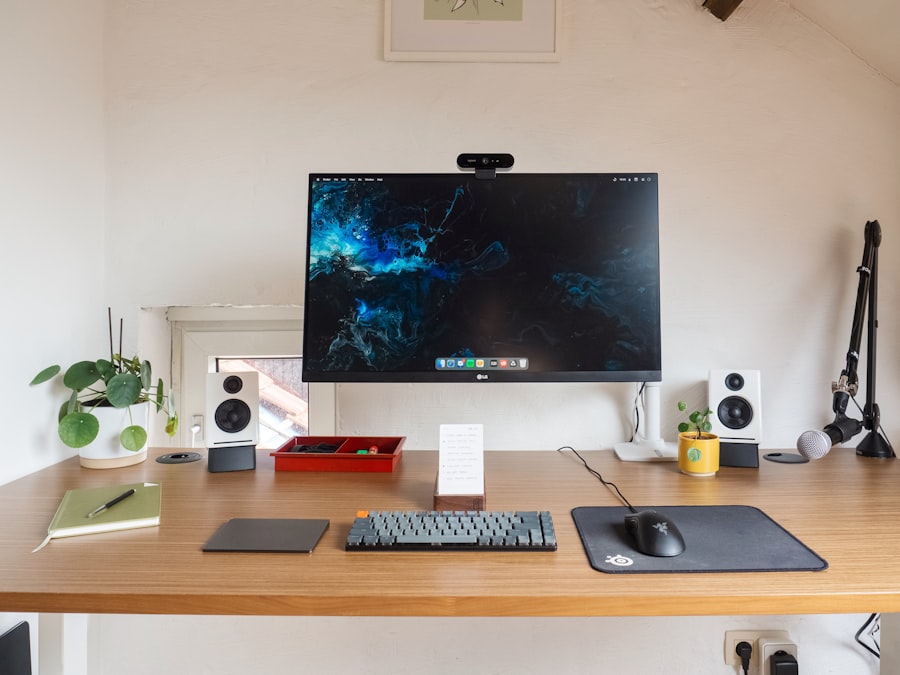
Finding remote work opportunities can be daunting but is made easier with the right approach and resources. Numerous job boards cater specifically to remote positions, such as We Work Remotely, Remote.co, and FlexJobs. These platforms aggregate listings from companies looking for remote talent across various industries, making it easier for digital nomads to find suitable roles that align with their skills and interests.
Networking also plays a vital role in uncovering remote job opportunities. Engaging with online communities on platforms like LinkedIn or joining industry-specific groups on social media can lead to valuable connections and job leads. Attending virtual conferences or webinars can further expand one’s network while providing insights into industry trends and potential job openings.
Building a personal brand through social media or a professional website can also attract clients or employers looking for remote workers.
Maintaining a Healthy Work-Life Balance as a Digital Nomad
Achieving a healthy work-life balance is crucial for digital nomads who often find themselves blurring the lines between work and leisure. One effective strategy is setting clear boundaries regarding work hours. Establishing specific times for work can help create structure in an otherwise fluid schedule, allowing individuals to focus on their tasks without distractions while also ensuring they have time for exploration and relaxation.
Incorporating self-care practices into daily routines is equally important. Regular exercise, mindfulness practices such as meditation, and maintaining social connections can significantly enhance overall well-being. Many digital nomads find that engaging in local activities—such as yoga classes or group hikes—can foster community while promoting physical health.
By prioritizing both work responsibilities and personal well-being, digital nomads can enjoy the best of both worlds.
Tips for Embracing the Adventure of Traveling as a Digital Nomad
Embracing the adventure of traveling as a digital nomad involves cultivating an open mindset and being willing to step outside one’s comfort zone. One effective way to do this is by immersing oneself in local cultures through food, language learning, and participation in community events. Trying local cuisines or attending cultural festivals not only enriches the travel experience but also fosters connections with locals.
Additionally, maintaining flexibility in travel plans can lead to unexpected adventures and opportunities for exploration. While having an itinerary can be helpful, allowing room for spontaneity can result in discovering hidden gems or meeting fellow travelers who share similar interests. Engaging with other digital nomads through online platforms or local meetups can also enhance the travel experience by providing companionship and shared experiences along the journey.
In conclusion, the digital nomad lifestyle offers an exciting blend of work and travel that appeals to many seeking freedom and adventure in their professional lives. By understanding what it means to be a digital nomad, recognizing the benefits and challenges associated with this lifestyle, and equipping oneself with essential tools and strategies for success, individuals can embark on a fulfilling journey that transcends traditional boundaries of work and life.
FAQs
What is digital nomadism?
Digital nomadism refers to a lifestyle that allows individuals to work remotely while traveling and living in different locations. This is made possible by the use of technology such as laptops, smartphones, and the internet.
What are the benefits of being a digital nomad?
Some of the benefits of being a digital nomad include the ability to explore new places, experience different cultures, and have a flexible work schedule. Digital nomads also have the opportunity to create a work-life balance that suits their individual needs.
What are the challenges of being a digital nomad?
Challenges of being a digital nomad include managing time zones, finding reliable internet connections, and dealing with potential isolation. Additionally, digital nomads may face visa and work permit issues when traveling to different countries.
What types of jobs do digital nomads typically have?
Digital nomads often work in fields such as freelance writing, graphic design, web development, digital marketing, and online teaching. They may also work as consultants, virtual assistants, or in other remote-friendly roles.
How has the rise of digital nomadism impacted the workforce?
The rise of digital nomadism has led to an increase in remote work opportunities and has changed the way companies approach hiring and managing their employees. It has also contributed to the growth of coworking spaces and digital nomad communities around the world.
'Lifestyle' 카테고리의 다른 글
| Thrift Store Treasures: The Fascinating Journey of Rare Porcelain Plates (0) | 2025.02.03 |
|---|---|
| Cultivating Gratitude and Presence: Mindful Living (0) | 2025.01.31 |
| Easy Sustainable Living Tips for Today (0) | 2025.01.31 |
| The Power of Motivation and Its Impact on Our Lives (0) | 2025.01.31 |