2025. 2. 3. 22:23ㆍLifestyle
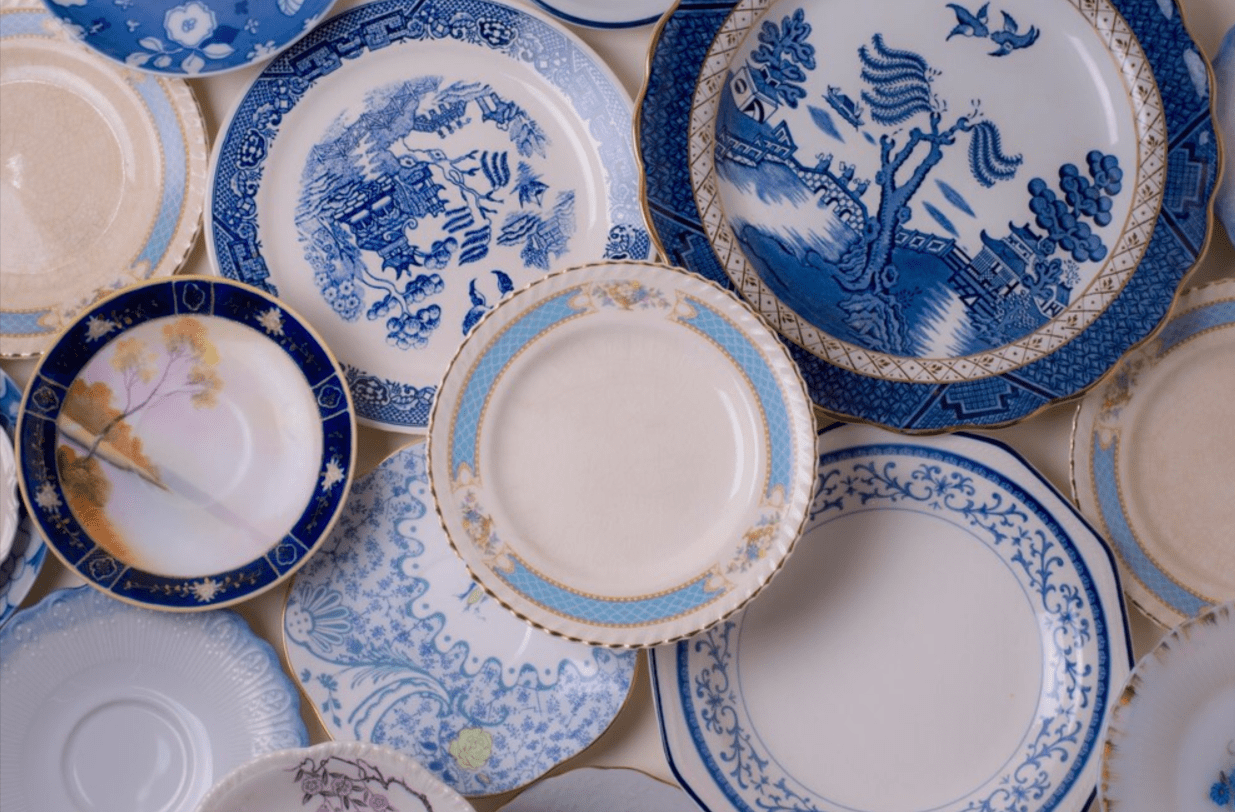
Thrift stores have long been a treasure trove for bargain hunters and vintage enthusiasts alike. Among the myriad of items waiting to be discovered, rare porcelain plates often stand out as hidden gems that can carry significant historical and monetary value. This article explores the fascinating world of thrift store finds, focusing on the allure of rare porcelain plates, their cultural significance, and the stories behind remarkable discoveries, such as the recent case of John Carcerano, who found an 18th-century Chinese porcelain plate valued at thousands of dollars for just $4.99.
The Allure of Porcelain Plates
Porcelain has captured collectors and historians for centuries. Originating in China during the Tang Dynasty (618–907 AD), porcelain is known for its strength, translucence, and delicate beauty. The production of porcelain involves a complex process that includes high-temperature firing and specific clay compositions, making it a highly sought-after material for dinnerware and decorative items.
Historical Significance
Porcelain plates often serve as artifacts that reflect cultural practices and artistic expressions from different periods. For instance, Chinese export porcelain became popular in Europe during the 17th and 18th centuries due to its intricate designs and vibrant colors. These plates were not only functional but also served as status symbols among the elite.
Collectibility
The collectibility of porcelain plates is influenced by several factors, including age, rarity, condition, manufacturer, and design. Plates produced by renowned manufacturers such as Meissen, Wedgwood, and Royal Worcester can fetch high prices at auctions or through private sales. Collectors often seek specific patterns or historical motifs that resonate with their interests.
The Thrill of Thrifting
Thrifting has become increasingly popular in recent years as people seek sustainable shopping alternatives while hunting for unique items. Thrift stores offer an eclectic mix of merchandise, from clothing to home decor—each with its own story waiting to be uncovered.
The Joy of Discovery
The excitement of finding a rare porcelain plate at a thrift store lies in the element of surprise. Many shoppers enter these stores with no specific expectations but leave with remarkable finds that can change their perception of value. For instance, John Carcerano's discovery at a Goodwill store exemplifies this thrill; he stumbled upon a rare plate hidden beneath modern dinnerware.
The Story of John Carcerano
In October 2024, Illinois resident John Carcerano made headlines when he purchased an 18th-century Chinese armorial export plate for just $4.99 at a Goodwill store in Evanston. Initially overlooked by other shoppers, the plate was discovered among contemporary dishes. Carcerano's keen eye for detail led him to recognize its potential worth after conducting a quick online search using Google Lens.
Verification Process
After identifying the plate's significance, Carcerano sought expert validation from auction houses like Sotheby's and Bonhams. Experts confirmed that his find was a "Chinese export armorial chamfered rectangular platter" from the Qing dynasty's Qianlong period (circa 1755). With an estimated value between $4,000 to $6,000, Carcerano's discovery highlights how thrift stores can yield treasures worth thousands.
Tips for Finding Rare Porcelain Plates
For those interested in embarking on their own thrift store adventures in search of rare porcelain plates, here are some helpful tips:
1. Know What to Look For
Familiarize yourself with different types of porcelain plates and their markings. Research reputable manufacturers and learn about popular patterns or styles that are highly collectible.
2.Examine Condition Carefully
When evaluating potential finds, inspect the condition of the plate closely. Look for chips, cracks, or discoloration that may affect its value. A pristine piece will always be more desirable than one that shows signs of wear.
3. Use Technology Wisely
Leverage technology to your advantage by using apps like Google Lens to identify markings or similar items online quickly. This can help you determine if what you've found is indeed valuable.
4. Visit Frequently
Thrift stores receive new inventory regularly; visiting frequently increases your chances of finding rare items before they get snatched up by other shoppers.
5. Be Patient
Finding valuable pieces takes time and patience. Don't rush through your search; Take your time to explore all areas of the store thoroughly.
Understanding Value: What Makes Porcelain Plates Rare?
Several factors contribute to the rarity and value of porcelain plates:
1. Age
Older plates often carry higher value due to their historical significance. Items from specific periods—such as Ming or Qing dynasties—are particularly sought after by collectors.
2. Manufacturer
Plates produced by renowned manufacturers typically command higher prices due to their established reputations for quality craftsmanship.
3. Design and Pattern
Unique designs or limited-edition patterns can significantly increase a plate's desirability among collectors. Floral motifs or intricate scenes often attract attention.
4. Provenance
The history behind a piece can enhance its value; items with documented ownership histories or connections to notable individuals are particularly prized.
Auction Houses and Marketplaces
Once you've found a rare porcelain plate worth selling, understanding where to sell it is crucial:
1. Auction Houses
Reputable auction houses like Sotheby's or Christie's offer platforms for selling high-value items to collectors worldwide. They provide expert appraisals and marketing strategies tailored to maximize sale prices.
2. Online Marketplaces
Websites such as eBay or Etsy allow sellers to reach broader audiences while providing flexibility in pricing strategies. However, sellers should ensure they accurately describe their items' conditions and provenance.
3. Antique Shops
Local antique shops may also be interested in purchasing rare pieces directly from sellers or offering consignment agreements where they sell on behalf of the owner.
The Environmental Impact of Thrifting
In addition to finding treasures like rare porcelain plates, thrifting has positive environmental implications:
1. Sustainability
Buying second-hand items reduces waste by extending product life cycles rather than contributing to landfill overflow from discarded goods.
2. Resource Conservation
Thrifting conserves resources by minimizing demand for new products that require raw materials—thereby reducing energy consumption associated with manufacturing processes.
Conclusion
The journey into the world of thrift store finds—especially rare porcelain plates—is filled with excitement and discovery. As demonstrated by John Carcerano's remarkable find at Goodwill, these hidden treasures can carry significant historical value while also offering insight into cultural practices throughout history. For those who enjoy exploring thrift stores in search of unique items worthy of collection or resale—understanding what makes certain pieces valuable will enhance your experience! Embrace patience during your searches while leveraging technology; you never know when you might uncover your very own hidden gem!
FAQs
1. What should I look for when searching for rare porcelain plates?
Look for markings from reputable manufacturers, unique designs or patterns, and check the condition carefully for any chips or cracks that may affect value.
2. How can I verify if my find is valuable?
Using apps like Google Lens can help identify markings on your plate; Additionally, consulting experts at auction houses or antique shops can provide validation regarding its authenticity and value.
3. Are all thrift store plates worth money?
Not all thrift store plates are valuable; Many factors contribute to rarity including age, manufacturer reputation, design uniqueness—and condition plays a crucial role too!
4. How do I care for my porcelain plates?
To maintain their condition over time: avoid using abrasive cleaners; hand wash gently instead using mild soap; store them safely away from direct sunlight which could cause fading colors!
5. Can I sell my rare porcelain plate online?
Yes! You can sell through various platforms such as eBay or Etsy—just ensure accurate descriptions regarding item condition along with clear photographs showcasing its features!
6. What makes certain porcelain patterns more desirable than others?
Certain patterns gain desirability based on cultural significance (eg, floral motifs), historical context (limited editions), or connection with famous artists/manufacturers known within collector communities!
7. Is there a market specifically for antique porcelain?
Yes! There are dedicated markets both online (like specialized auction sites) & offline (antique fairs) catering specifically towards collectors interested exclusively in antiques—including fine china & collectibles!
8. How do I know if my plate is authentic?
Researching manufacturer marks alongside consulting experts familiarized within antique evaluation will help ascertain authenticity while confirming provenance helps establish legitimacy too!
9. What's an example story similar to John Carcerano's find?
Many thrifters share stories about discovering unexpected treasures—from vintage jewelry fetching hundreds at auction—to classic vinyl records worth thousands—all thanks to diligent searching through local shops!
10. Why should I consider thrifting over traditional shopping methods?
Thrifting offers unique opportunities not only saving money but also promoting sustainability by giving new life products otherwise discarded—making it both economically savvy & environmentally friendly choice!
'Lifestyle' 카테고리의 다른 글
| Embracing the Digital Nomad Lifestyle (0) | 2025.02.10 |
|---|---|
| Cultivating Gratitude and Presence: Mindful Living (0) | 2025.01.31 |
| Easy Sustainable Living Tips for Today (0) | 2025.01.31 |
| The Power of Motivation and Its Impact on Our Lives (0) | 2025.01.31 |