2025. 2. 10. 22:05ㆍHealth & Wellness

DNA-based diets represent a revolutionary approach to nutrition, leveraging the unique genetic makeup of individuals to tailor dietary recommendations. The premise is rooted in the understanding that our genetic code influences how we metabolize food, respond to various nutrients, and even our predisposition to certain health conditions. This personalized approach contrasts sharply with traditional dietary guidelines, which often adopt a one-size-fits-all mentality.
By analyzing specific genetic markers, nutritionists and dietitians can create customized meal plans that align with an individual’s biological needs, potentially enhancing health outcomes and promoting overall well-being. The concept of DNA-based diets is not merely a trend; it is grounded in scientific research that explores the intricate relationship between genetics and nutrition. For instance, variations in genes such as FTO, which is associated with fat metabolism, can influence an individual's propensity to gain weight or respond to dietary fats.
Similarly, genes involved in lactose intolerance or gluten sensitivity can dictate how well a person tolerates certain foods. As our understanding of genomics expands, so too does the potential for personalized nutrition strategies that cater to these genetic differences, making DNA-based diets a compelling area of study for both researchers and health enthusiasts alike.
Key Takeaways
- DNA-based diets use genetic information to personalize nutrition and exercise plans
- Genetic makeup influences individual nutritional needs and responses to different foods
- Genetic testing plays a crucial role in identifying specific genetic markers for personalized meal plans
- Meal plans can be customized based on genetic markers to optimize health and weight management
- Exercise routines can be tailored to an individual's genetic makeup for better results
How DNA Influences Nutritional Needs
The influence of DNA on nutritional needs is multifaceted, encompassing aspects such as nutrient absorption, metabolism, and even taste preferences. Genetic variations can dictate how efficiently the body processes macronutrients like carbohydrates, proteins, and fats. For example, individuals with specific polymorphisms in the AMY1 gene may produce varying amounts of amylase, an enzyme crucial for carbohydrate digestion.
Those with higher amylase production may be better suited to a carbohydrate-rich diet, while others may struggle with such foods, leading to digestive discomfort or weight gain. Moreover, genetic predispositions can affect micronutrient requirements. Certain individuals may have a heightened need for specific vitamins or minerals due to their genetic makeup.
For instance, variations in the MTHFR gene can impact folate metabolism, necessitating higher dietary intake of folate-rich foods for optimal health. Similarly, individuals with specific genetic markers may require increased levels of omega-3 fatty acids to support cardiovascular health. Understanding these genetic influences allows for more precise dietary recommendations that can enhance nutrient absorption and overall health.
The Role of Genetic Testing in DNA-Based Diets
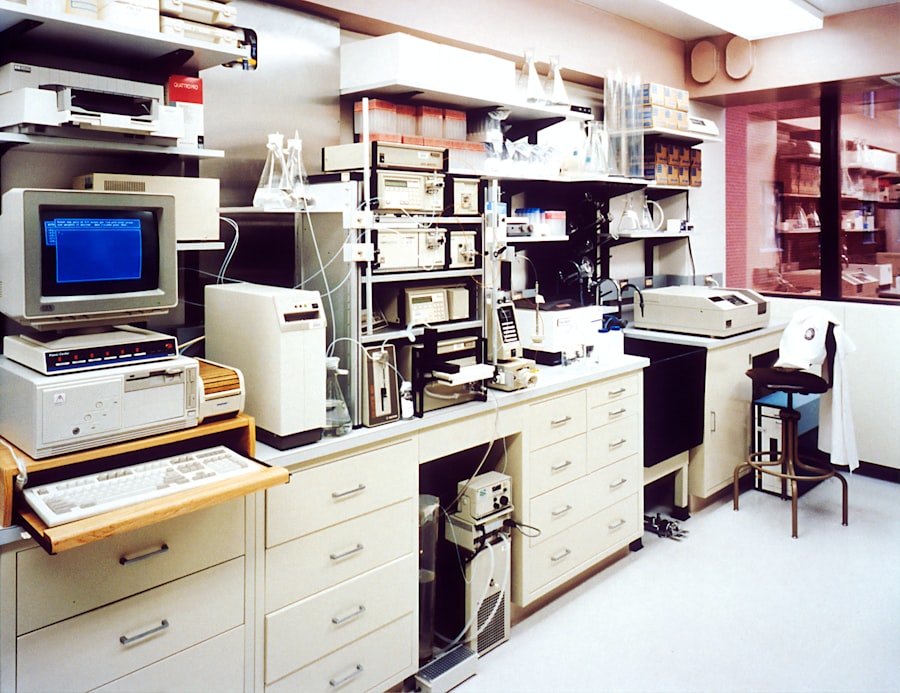
Genetic testing serves as the cornerstone of DNA-based diets, providing insights into an individual’s unique genetic profile. Through a simple saliva or blood sample, advanced genomic technologies can analyze thousands of genetic variants associated with nutrition and metabolism. This information is invaluable for dietitians and nutritionists seeking to create personalized meal plans that align with an individual’s genetic predispositions.
Companies specializing in genetic testing for nutrition have emerged, offering consumers access to their genetic data and actionable insights regarding their dietary needs. The process typically begins with the collection of a sample followed by laboratory analysis to identify relevant genetic markers. Once the results are available, individuals receive a comprehensive report detailing their genetic predispositions related to various nutrients, food sensitivities, and metabolic pathways.
This data can inform dietary choices, helping individuals understand which foods may be beneficial or detrimental to their health based on their genetic makeup. As the field of nutrigenomics evolves, the accuracy and accessibility of genetic testing continue to improve, making it easier for individuals to harness their genetic information for better health outcomes.
Customizing Meal Plans Based on Genetic Markers
Genetic Marker Meal Plan Customization
| rs9939609 | Low-carb diet for better weight management |
| rs1801282 | Emphasis on monounsaturated fats for heart health |
| rs662799 | Increased fiber intake for improved digestion |
Customizing meal plans based on genetic markers involves a detailed analysis of an individual’s genetic profile to create a tailored dietary strategy. This process begins with identifying key genetic variants that influence nutrient metabolism and dietary preferences. For instance, individuals with variations in the TCF7L2 gene may have a higher risk of developing type 2 diabetes and may benefit from a diet lower in refined carbohydrates and sugars.
Conversely, those with favorable variants may tolerate higher carbohydrate intake without adverse effects.
Once the relevant genetic markers are identified, nutritionists can design meal plans that not only cater to these needs but also consider personal preferences and lifestyle factors.
For example, if a genetic test reveals a predisposition to higher cholesterol levels, the meal plan might emphasize heart-healthy fats from sources like avocados and nuts while reducing saturated fats found in red meat and full-fat dairy products.
Additionally, incorporating foods rich in antioxidants and fiber can support overall health and mitigate potential risks associated with certain genetic profiles. This level of personalization ensures that individuals are not only eating healthily but are also more likely to adhere to their meal plans due to their alignment with their biological needs.
Tailoring Exercise Routines to Genetic Makeup
Just as DNA influences nutritional needs, it also plays a significant role in determining how individuals respond to exercise. Genetic variations can affect muscle composition, endurance capacity, and recovery times, all of which are critical factors in designing effective workout regimens. For instance, individuals with specific variants in the ACTN3 gene may possess a higher proportion of fast-twitch muscle fibers, making them more suited for explosive activities like sprinting or weightlifting.
In contrast, those with different variants may excel in endurance sports such as long-distance running or cycling.
Tailoring exercise routines based on genetic makeup allows for optimized training regimens that align with an individual’s strengths and weaknesses. By understanding one’s genetic predispositions, fitness professionals can recommend specific types of workouts that maximize performance while minimizing the risk of injury.
For example, someone genetically predisposed to slower recovery times might benefit from longer rest periods between workouts or lower-intensity training sessions. This personalized approach not only enhances physical performance but also promotes long-term adherence to exercise programs by aligning them with individual capabilities and preferences.
The Impact of DNA-Based Diets on Weight Management

The impact of DNA-based diets on weight management is profound, as these personalized approaches can lead to more effective strategies for achieving and maintaining a healthy weight. Traditional dieting methods often fail because they do not account for individual differences in metabolism and nutrient processing. By utilizing genetic insights, individuals can adopt dietary practices that are more compatible with their unique biological profiles.
For example, those who are genetically predisposed to store fat more readily may find success with lower-calorie diets that emphasize whole foods over processed options. Moreover, DNA-based diets can help identify food sensitivities or intolerances that may hinder weight loss efforts. For instance, individuals who carry certain genetic markers associated with lactose intolerance may experience bloating or discomfort when consuming dairy products, leading them to avoid these foods altogether or overconsume alternatives high in sugar or fat.
By recognizing these sensitivities through genetic testing, individuals can make informed choices that support their weight management goals while promoting overall digestive health.
Potential Benefits and Limitations of DNA-Based Diets
While DNA-based diets offer numerous benefits, they also come with limitations that must be considered. One significant advantage is the potential for improved adherence to dietary recommendations due to their personalized nature. When individuals understand how their genetics influence their nutritional needs and preferences, they are more likely to commit to a diet that feels tailored specifically for them.
Additionally, these diets can lead to better health outcomes by addressing specific risk factors associated with an individual’s genetic profile. However, there are limitations to consider as well. The field of nutrigenomics is still relatively young, and while research continues to uncover valuable insights into the relationship between genetics and nutrition, there remains much to learn.
Not all genetic markers have been thoroughly studied or understood in terms of their implications for diet and health. Furthermore, the effectiveness of DNA-based diets can be influenced by environmental factors such as lifestyle choices, socioeconomic status, and access to healthy foods. Therefore, while genetics play a crucial role in shaping dietary needs, they are just one piece of a larger puzzle that includes behavioral and environmental considerations.
Future Implications and Research in DNA-Based Nutrition
The future implications of DNA-based nutrition are vast and hold promise for transforming how we approach diet and health management. As technology advances and our understanding of genomics deepens, we can expect more refined genetic testing methods that provide even greater insights into individual nutritional needs. This could lead to the development of highly specialized diets tailored not only to one’s genetics but also incorporating real-time data from wearable devices that monitor metabolic responses to food intake.
Ongoing research will likely focus on expanding our knowledge of how various genes interact with different dietary components and how these interactions influence health outcomes over time. Additionally, studies exploring the long-term effects of DNA-based diets on chronic disease prevention and management will be crucial in validating their efficacy. As this field evolves, it has the potential to revolutionize public health initiatives by promoting personalized nutrition strategies that empower individuals to take control of their health through informed dietary choices based on their unique genetic profiles.
FAQs
What are DNA-based diets and supplements?
DNA-based diets and supplements are personalized nutrition plans and products that are tailored to an individual's genetic profile. They are designed to take into account a person's unique genetic makeup and provide recommendations for the most effective diet and supplements based on their DNA.
How do DNA-based diets and supplements work?
DNA-based diets and supplements work by analyzing an individual's genetic information to identify specific genetic variations that may impact their response to certain nutrients, foods, and supplements. This information is then used to create personalized recommendations for diet and supplement choices that are most likely to be beneficial for that individual.
What are the potential benefits of DNA-based diets and supplements?
The potential benefits of DNA-based diets and supplements include more personalized and effective nutrition plans, improved overall health and well-being, better management of weight and metabolism, and a better understanding of how an individual's genetic makeup may influence their nutritional needs.
Are DNA-based diets and supplements backed by scientific evidence?
There is growing scientific evidence to support the use of DNA-based diets and supplements. Research studies have shown that genetic variations can indeed impact an individual's response to certain nutrients and that personalized nutrition plans based on genetic information can lead to better health outcomes.
How can individuals obtain DNA-based diets and supplements?
Individuals can obtain DNA-based diets and supplements by using at-home DNA testing kits or by working with healthcare professionals who specialize in personalized nutrition. These tests typically involve providing a DNA sample, such as saliva, which is then analyzed to generate personalized nutrition recommendations.
'Health & Wellness' 카테고리의 다른 글
| Nature-Based Therapies and Ecopsychology: Healing Through Connection with Nature (0) | 2025.02.03 |
|---|---|
| The Importance of Sleep: Why Your Body Needs Rest (0) | 2025.01.31 |
| 10 Simple Habits for Daily Mental Health Boost (0) | 2025.01.31 |