2025. 2. 3. 22:11ㆍEducation
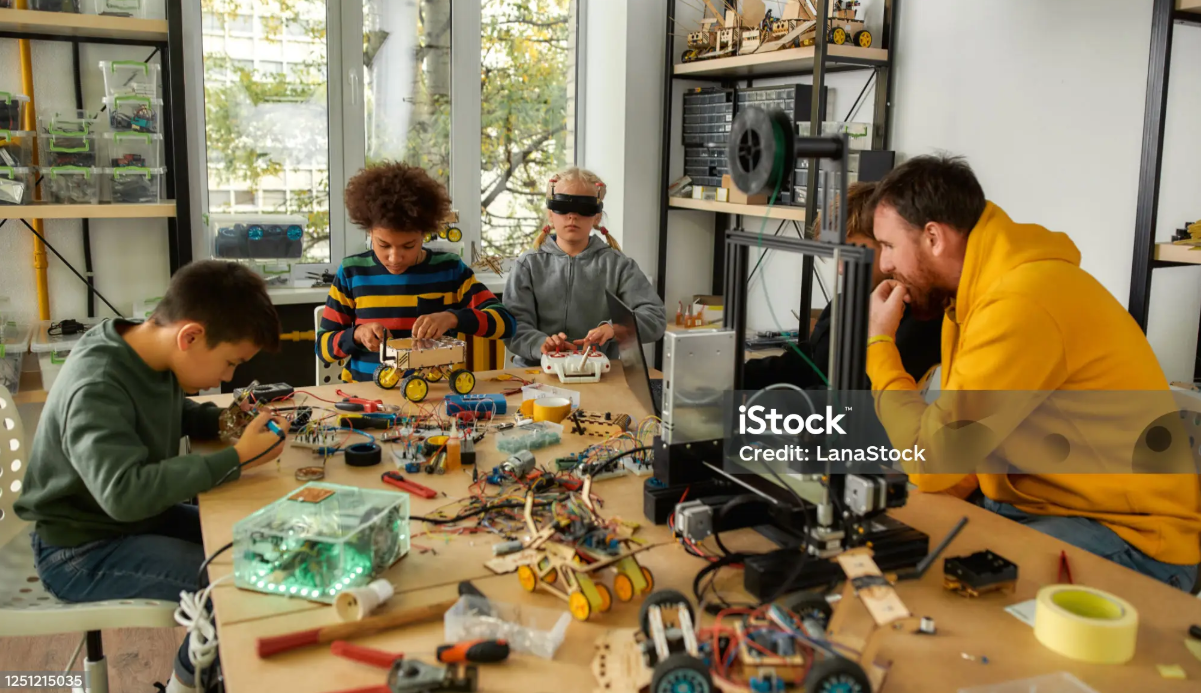
In recent years, India has made significant strides in enhancing its educational landscape, particularly through initiatives aimed at fostering creativity and innovation among students. One such initiative is the Atal Tinkering Labs (ATL) program, launched under the Atal Innovation Mission (AIM) by the Government of India in 2016. The ATL initiative aims to cultivate a spirit of curiosity and innovation among young minds by providing them with hands-on experience in science, technology, engineering, and mathematics (STEM). As of February 2025, the government has announced plans to establish an additional 50,000 Atal Tinkering Labs across government schools in the next five years. This article delves into the details of the Atal Tinkering Labs initiative, its objectives, features, and the impact it aims to achieve.
Background of Atal Tinkering Labs
The Atal Innovation Mission was established by the NITI Aayog, the policy think tank of the Indian government, to promote a culture of innovation and entrepreneurship in India. The ATL initiative was introduced as a flagship program under AIM to inspire students from grades VI to XII to develop critical skills necessary for future success.The core philosophy behind ATLs is to bridge the gap between theoretical knowledge and practical application. By providing students with access to tools, equipment, and resources, ATLs encourage them to explore their ideas, prototype solutions, and engage in problem-solving activities. This hands-on approach helps students understand complex concepts while nurturing their creativity and innovative thinking.
Objectives of Atal Tinkering Labs
The primary objectives of the Atal Tinkering Labs initiative include:
- Fostering Curiosity and Creativity: ATLs aim to instill a sense of curiosity among students, encouraging them to ask questions and explore new ideas.
- Developing Technical Skills: By engaging in hands-on projects using modern tools and technologies, students develop essential technical skills relevant to STEM fields.
- Encouraging Problem-Solving: ATLs provide a platform for students to identify real-world problems and work collaboratively to devise innovative solutions.
- Promoting Entrepreneurship: The initiative aims to nurture an entrepreneurial mindset among students by encouraging them to think critically about their ideas and how they can be transformed into viable products or services.
- Building a Scientific Temper: ATLs seek to cultivate a scientific approach among students, enabling them to understand scientific principles and apply them in practical scenarios.
Features of Atal Tinkering Labs
The Atal Tinkering Labs are equipped with various features that enhance the learning experience for students:
1. Hands-On Learning Environment
ATLs provide a space where students can engage in hands-on learning through experimentation and exploration. This practical approach allows them to apply theoretical concepts learned in classrooms.
2. Access to Modern Tools and Technologies
Each ATL is equipped with state-of-the-art tools and technologies such as 3D printers, robotics kits, electronics components, and software programming tools. This access enables students to work on innovative projects that require advanced skills.
3. Curriculum Integration
ATLs are designed to complement existing school curricula by integrating project-based learning into subjects like science and mathematics. This integration helps reinforce concepts learned in class while promoting creativity.
4. Mentorship Opportunities
Students have the opportunity to interact with mentors from various fields who guide them through their projects. These mentors may include professionals from industries related to STEM fields or educators trained in innovative teaching methods.
5. Collaboration and Teamwork
ATLs encourage collaborative learning by allowing students to work together on projects. This teamwork fosters communication skills, leadership qualities, and the ability to work effectively in groups—skills essential for success in any career.
Expansion Plans for Atal Tinkering Labs
As part of the Union Budget 2025-26 announced on February 1, 2025, Finance Minister Nirmala Sitharaman revealed plans for establishing 50,000 new Atal Tinkering Labs across government schools over the next five years. This expansion aims to significantly increase access to innovative learning environments for students nationwide.Currently, there are approximately 8,706 ATLs operational across various schools in India, with around 60% located in government institutions. The government's commitment to expanding this initiative reflects its dedication to nurturing one million children as "neoteric innovators" who can contribute positively to society through their creative solutions.
Impact of Atal Tinkering Labs
The Atal Tinkering Labs initiative has already begun making a positive impact on education in India:
1. Enhanced Student Engagement
By providing an interactive learning environment that encourages experimentation and creativity, ATLs have significantly increased student engagement levels. Students are more motivated when they can see tangible results from their efforts.
2. Skill Development
ATLs play a crucial role in developing essential skills such as critical thinking, problem-solving, teamwork, and technical proficiency among students. These skills are vital for success in today's rapidly evolving job market.
3. Promotion of Innovation
The initiative fosters a culture of innovation within schools by encouraging students to think outside the box and explore new ideas. Many students have gone on to create prototypes or projects that address real-world challenges.
4. Bridging Educational Gaps
ATLs help bridge educational gaps by providing resources and opportunities for students from diverse backgrounds—especially those in rural or underserved areas—to engage with technology and innovation.
5. Collaboration with Industry Experts
Through partnerships with organizations like ISRO (Indian Space Research Organisation) and NASSCOM (National Association of Software and Service Companies), ATLs facilitate collaboration between educational institutions and industry experts. This collaboration enhances curriculum relevance while exposing students to current industry practices.
Challenges Faced by Atal Tinkering Labs
While the Atal Tinkering Labs initiative has made significant strides towards enhancing education in India, it also faces several challenges:
1. Resource Allocation
Ensuring adequate funding for each ATL is crucial for maintaining equipment quality and providing necessary materials for projects. Some schools may struggle with resource allocation due to budget constraints.
2. Training Educators
For ATLs to be effective, educators must be adequately trained not only in using advanced tools but also in facilitating project-based learning approaches effectively.
3. Sustainability
Maintaining interest among students over time can be challenging; thus ongoing support from school administrations is essential for sustaining engagement levels within ATLs.
4. Infrastructure Limitations
Some schools may lack sufficient infrastructure or space required for establishing well-equipped tinkering labs that meet AIM's standards.
Future Prospects
Looking ahead, the future prospects for Atal Tinkering Labs appear promising:
- Increased Focus on Emerging Technologies: As technology continues evolving rapidly—particularly areas like artificial intelligence (AI), machine learning (ML), robotics—ATLs will likely incorporate these fields into their curricula more extensively.
- Integration into Higher Education: There may be potential expansion beyond K-12 education into higher education institutions where similar tinkering labs could promote innovation at advanced levels.
- Global Collaborations: Collaborations with international educational organizations could enhance knowledge sharing regarding best practices related specifically towards fostering student innovation globally.
- Expansion into Rural Areas: Efforts will continue towards establishing ATLs particularly focused on rural regions where access remains limited—ensuring equitable opportunities across all demographics within India’s diverse population base.
Conclusion
The Atal Tinkering Labs initiative represents a significant step forward in transforming India's educational landscape by fostering innovation among young learners through hands-on experiences tailored specifically towards developing essential skills needed thrive successfully within modern society! With ongoing expansions planned alongside increasing collaborations across sectors—this program holds immense potential not only enhancing individual student growth but also contributing positively towards building an innovative future for India as a whole!
FAQs
1. What are Atal Tinkering Labs?
Atal Tinkering Labs (ATLs) are innovation spaces established within schools across India as part of the Atal Innovation Mission (AIM). They provide hands-on learning experiences where students can explore STEM concepts using modern tools like robotics kits and 3D printers.
2. Who can benefit from Atal Tinkering Labs?
Students from grades VI to XII can benefit from ATLs as they are designed specifically for this age group. The labs aim to foster creativity and problem-solving skills among young learners.
3. How many Atal Tinkering Labs currently exist?
As of now, there are approximately 8,706 operational ATLs across various schools in India, with plans announced for establishing an additional 50,000 labs over the next five years.
4. What kind of projects do students work on in ATLs?
Students engage in diverse projects that encourage experimentation—ranging from building simple machines or electronic circuits to creating prototypes addressing real-world challenges based on their interests.
5. How does one apply for an Atal Tinkering Lab?
Schools interested in establishing an ATL must visit the official website of AIM (Atal Innovation Mission) where they can find detailed information about eligibility criteria and application procedures required for setting up a lab within their institution.
6. Are there any costs associated with setting up an ATL?
The Government provides financial support through grants-in-aid up to ₹20 lakh per lab—₹10 lakh allocated initially for equipment purchase followed by ₹10 lakh spread over five years covering operational expenses such as maintenance costs or organizing events related directly towards promoting innovation within these spaces.
7. What role do teachers play in ATLs?
Teachers act as facilitators within ATLs guiding students through their projects while also imparting knowledge regarding relevant concepts linked closely towards STEM education—ensuring effective implementation alongside fostering student engagement throughout this process effectively!
8. Can private schools also establish Atal Tinkering Labs?
Yes! Both government-run institutions along with private schools are eligible under AIM’s guidelines provided they meet specific requirements outlined during application processes set forth by NITI Aayog governing these initiatives accordingly!
9. How do ATLs promote entrepreneurship?
By encouraging students’ creativity while allowing them opportunities exploring ideas practically—ATLs help nurture an entrepreneurial mindset enabling learners envision potential business ventures stemming directly from innovative concepts developed during tinkering sessions held therein!
10. What is the long-term vision behind establishing more ATLs?
The long-term vision focuses on cultivating one million children as “neoteric innovators” who possess critical thinking abilities alongside technical proficiency necessary thriving successfully within today’s rapidly changing world driven heavily by technological advancements shaping various industries globally!
'Education' 카테고리의 다른 글
| Unlock Your Academic Potential with Biohacking (0) | 2025.02.10 |
|---|---|
| Finding the Perfect College for Your Career Goals (0) | 2025.01.31 |
| Mastering Effective Study Habits for Lasting Success (0) | 2025.01.31 |