2025. 1. 31. 20:12ㆍTravel
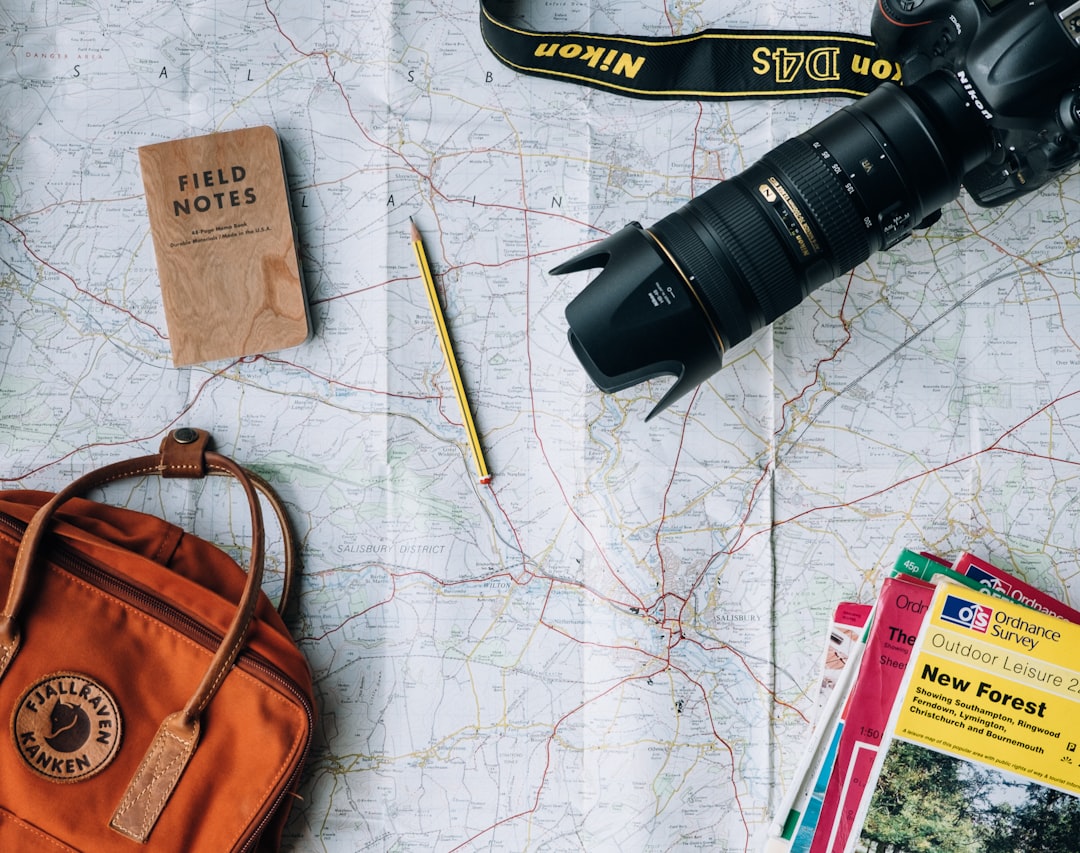
Effective planning is the cornerstone of successful budget travel. The first step in this process involves setting a clear budget that outlines how much you can afford to spend on your trip. This budget should encompass all potential expenses, including transportation, accommodation, food, activities, and souvenirs.
By establishing a financial framework, you can make informed decisions about where to go and what to do. For instance, if you allocate a specific amount for daily expenses, you can prioritize experiences that fit within that limit, ensuring that you don’t overspend. In addition to setting a budget, researching your destination is crucial.
Understanding the local cost of living can help you gauge how far your money will stretch. Websites and travel blogs often provide insights into average prices for meals, transportation, and attractions. Furthermore, consider the timing of your trip; traveling during the off-peak season can lead to significant savings on flights and accommodations.
For example, visiting Europe in late fall or early spring can yield lower prices compared to the summer months when tourist crowds drive up costs. By planning ahead and gathering information, you can create a travel itinerary that maximizes your experience while minimizing expenses.
Key Takeaways
- Plan your budget travel in advance to save money and avoid overspending.
- Choose affordable destinations with lower cost of living and cheaper activities.
- Look for budget-friendly accommodation options such as hostels, guesthouses, or vacation rentals.
- Save money on transportation by using public transit, walking, or carpooling.
- Eat on a budget by cooking your own meals, eating street food, or finding affordable local restaurants.
- Take advantage of free and low-cost activities such as hiking, visiting parks, or attending local events.
- Look for budget-friendly souvenirs like postcards, local snacks, or handmade crafts.
- Budget and manage your expenses by tracking your spending and setting a daily allowance.
Choosing Affordable Destinations
Selecting the right destination is pivotal for budget-conscious travelers. Some locations are inherently more affordable than others due to factors such as local economic conditions, currency exchange rates, and tourism infrastructure. Southeast Asia, for instance, is renowned for its budget-friendly options, with countries like Thailand and Vietnam offering low-cost accommodations, inexpensive street food, and affordable transportation.
In contrast, popular Western European cities like Paris or London can quickly drain a travel budget if not approached with caution. Another strategy is to consider lesser-known destinations that offer similar experiences to their more famous counterparts but at a fraction of the cost. For example, instead of visiting the crowded beaches of Cancun, travelers might explore the less commercialized shores of Tulum or Playa del Carmen.
These areas often provide stunning scenery and cultural experiences without the hefty price tag associated with more tourist-heavy locales. Additionally, researching emerging travel destinations can reveal hidden gems that are not yet on the mainstream radar but offer rich experiences at lower costs.
Finding Budget-Friendly Accommodation

Accommodation can be one of the largest expenses when traveling, but there are numerous strategies to find budget-friendly options.
Hostels are a popular choice among backpackers and budget travelers alike, offering dormitory-style rooms at significantly lower rates than hotels.
Many hostels also provide communal kitchens, allowing guests to prepare their own meals and save on dining costs.
Websites like Hostelworld and Booking.com can help travelers compare prices and read reviews to find suitable options. For those seeking more privacy or unique experiences, consider alternative lodging such as vacation rentals or homestays. Platforms like Airbnb and Vrbo allow travelers to rent entire homes or private rooms at competitive prices.
Staying with locals can also provide valuable insights into the culture and lifestyle of the area. Additionally, some travelers opt for house-sitting opportunities, where they care for someone’s home (and often pets) in exchange for free accommodation. This not only saves money but also allows for a more immersive experience in a new environment.
Saving Money on Transportation
Transportation Cost-Saving Tips Benefits
| Carpooling | Reduces fuel and maintenance costs |
| Using Public Transportation | Saves on fuel and parking expenses |
| Biking or Walking | Eliminates fuel and parking costs |
| Telecommuting | Reduces commuting expenses and time |
| Car Maintenance | Prevents costly repairs and breakdowns |
Transportation costs can quickly add up during travel, but there are several ways to minimize these expenses. One effective strategy is to book flights well in advance and remain flexible with travel dates. Utilizing fare comparison websites like Skyscanner or Google Flights can help identify the best deals available.
Additionally, consider flying into secondary airports or using budget airlines that may offer lower fares than major carriers. Once at your destination, public transportation is often the most economical way to get around. Many cities have extensive bus and train networks that provide affordable access to various attractions.
Purchasing multi-day passes or travel cards can further reduce costs for frequent travelers. For those who prefer a more leisurely pace, walking or biking can be both enjoyable and cost-effective ways to explore a new city while taking in the sights at ground level. Ridesharing services like Uber or Lyft can also be economical alternatives when public transport isn’t convenient; however, it’s wise to compare prices before opting for this option.
Eating on a Budget while Traveling
Dining out can be one of the most enjoyable aspects of travel but also one of the most expensive. To eat on a budget while still enjoying local cuisine, consider exploring street food markets or local eateries rather than high-end restaurants. Street food not only offers authentic flavors but is often significantly cheaper than sit-down meals.
For example, in Bangkok, vendors serve delicious dishes like Pad Thai or Som Tum at prices that are hard to beat. Another effective strategy is to take advantage of lunch specials or early bird menus offered by many restaurants. These options typically provide substantial discounts compared to dinner prices.
Additionally, shopping at local grocery stores or markets allows travelers to prepare their own meals, which can be both fun and economical. Cooking with fresh ingredients from local markets not only saves money but also provides an opportunity to engage with local culture and cuisine in a hands-on way.
Taking Advantage of Free and Low-Cost Activities
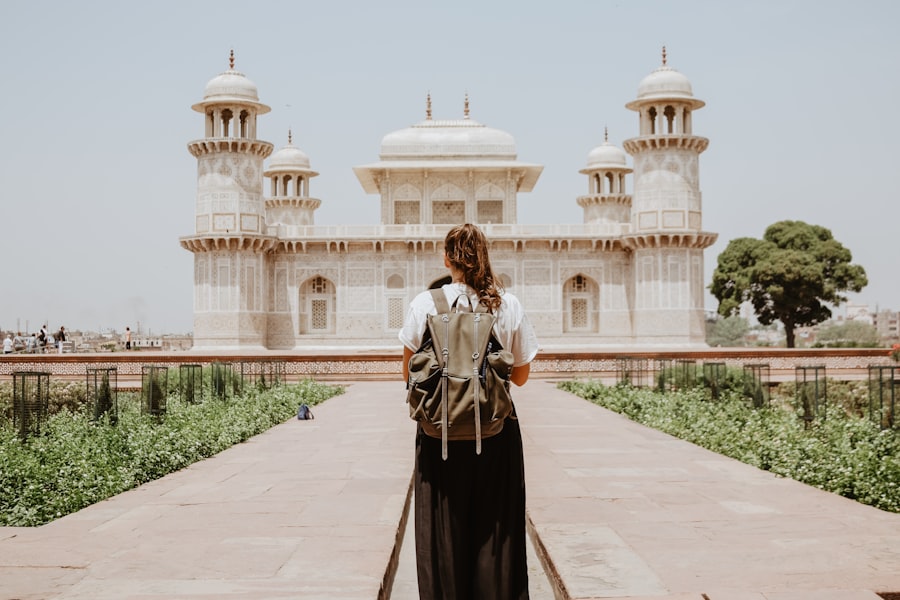
Traveling on a budget doesn’t mean sacrificing experiences; many destinations offer a wealth of free or low-cost activities that allow travelers to immerse themselves in local culture without breaking the bank. Museums often have free admission days or discounted rates during certain hours; researching these opportunities ahead of time can lead to significant savings. For instance, many major cities have free walking tours led by knowledgeable locals who share insights about the area’s history and culture.
Outdoor activities also provide excellent opportunities for budget-friendly exploration. National parks often have low entrance fees and offer breathtaking landscapes perfect for hiking, picnicking, or simply enjoying nature. Beaches, parks, and public gardens are typically free to access and provide beautiful settings for relaxation or recreation.
Engaging with local communities through festivals or events can also be an enriching experience; many towns host free concerts, markets, or cultural celebrations that showcase regional traditions.
Tips for Budget-Friendly Souvenirs
Souvenirs are a cherished part of travel but can quickly add up if not approached thoughtfully. To keep costs down while still bringing home meaningful mementos, consider purchasing items from local artisans rather than tourist shops that often inflate prices. Markets and craft fairs frequently feature handmade goods that reflect the culture of the area at more reasonable prices.
Another approach is to collect experiences rather than physical items; taking photographs or journaling about your travels can serve as lasting memories without the need for tangible souvenirs. If you do wish to bring something home, opt for small items such as postcards or local snacks that are easy to pack and won’t take up much space in your luggage. Additionally, consider sending postcards home as a way to share your journey with loved ones while keeping costs low.
Budgeting and Managing Expenses while Traveling
Once on the road, managing expenses becomes crucial to staying within your budget. Keeping track of daily spending can help identify areas where you might be overspending and allow for adjustments as needed. Using budgeting apps like Trail Wallet or Mint can simplify this process by allowing travelers to categorize expenses and monitor their financial status in real-time.
Establishing a daily spending limit based on your overall budget can also help maintain financial discipline during your travels. It’s wise to set aside a portion of your budget for unexpected expenses that may arise along the way. Additionally, using cash instead of credit cards for smaller purchases can help control spending; it’s easier to see how much you’re spending when you physically hand over cash rather than swiping a card without thinking about it.
By implementing these strategies, travelers can enjoy their adventures while keeping their finances in check.
FAQs
What are some tips for traveling on a budget?
Some tips for traveling on a budget include planning your trip in advance, being flexible with your travel dates, using budget airlines, staying in budget accommodations such as hostels or Airbnbs, and eating at local restaurants or markets.
How can I save money on transportation while traveling?
To save money on transportation while traveling, consider using public transportation, walking or biking, carpooling, or using ride-sharing services. Additionally, booking transportation in advance and being flexible with your travel dates can help you find cheaper options.
What are some ways to save money on accommodations?
To save money on accommodations, consider staying in hostels, guesthouses, or budget hotels. You can also look for deals and discounts, use loyalty programs, or consider alternative accommodations such as camping or staying with locals through platforms like Couchsurfing.
How can I save money on food and dining while traveling?
To save money on food and dining while traveling, consider eating at local markets, street food stalls, and affordable restaurants. You can also cook your own meals if you have access to a kitchen, and avoid dining in touristy areas where prices tend to be higher.
What are some affordable activities and attractions to do while traveling?
There are many affordable activities and attractions to do while traveling, such as visiting free museums and galleries, exploring nature and parks, attending local festivals and events, and taking advantage of free walking tours or self-guided tours. Researching free or low-cost activities in advance can help you plan an affordable itinerary.
'Travel' 카테고리의 다른 글
| Top 5 Must Visit Places in Thailand (0) | 2025.02.10 |
|---|---|
| Exploring Budapest: Top Attractions You Can’t Miss (0) | 2025.02.03 |
| Eco-Friendly Travel: Reducing Your Carbon Footprint (0) | 2025.01.31 |